
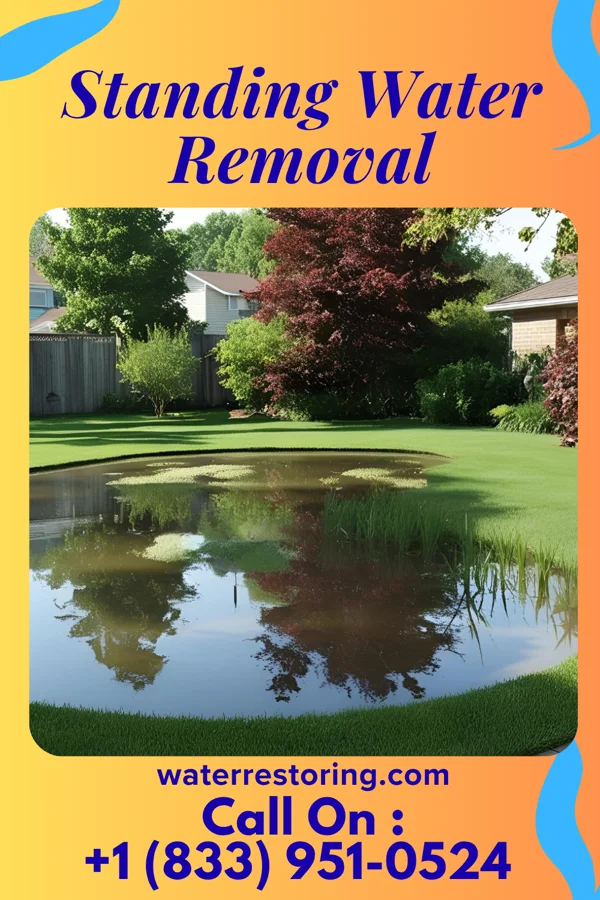
What Makes Wells River Standing-Water-Prone
Living in Wells River means dealing with In Wells River, Vermont, the primary water damage cause is often related to seasonal flooding from the Connecticut River, especially during spring thaw or heavy rainfall events. Additionally, aging infrastructure and localized sewer backups contribute to water intrusion in residential and commercial properties. sooner or later. A close second is Secondary causes include leaking roofs due to heavy snowmelt, burst pipes from frozen conditions, and groundwater seepage in basements. These issues are exacerbated by the region's cold climate and frequent precipitation.. The good news: water damage is fully recoverable when you catch it fast and bring in certified technicians.
Wells River experiences a humid continental climate with cold winters and moderate summers, leading to frequent freeze-thaw cycles. This creates a higher risk of water damage from both internal and external sources, particularly in older homes with inadequate insulation.
Most standing water removal calls in Wells River come from In Wells River, Vermont, the primary water damage cause is often related to seasonal flooding from the Connecticut River, especially during spring thaw or heavy rainfall events. Additionally, aging infrastructure and localized sewer backups contribute to water intrusion in residential and commercial properties.. Running a close second is Secondary causes include leaking roofs due to heavy snowmelt, burst pipes from frozen conditions, and groundwater seepage in basements. These issues are exacerbated by the region's cold climate and frequent precipitation.. Local mold risk: Mold growth can develop quickly in Wells River due to high humidity and frequent rain, especially in poorly ventilated areas. Prompt water damage restoration is crucial to prevent health risks and structural damage.